It's Expensive to Be Cheap: Value Engineering Another Engineer's Design
August 12, 2026 · 7 min read
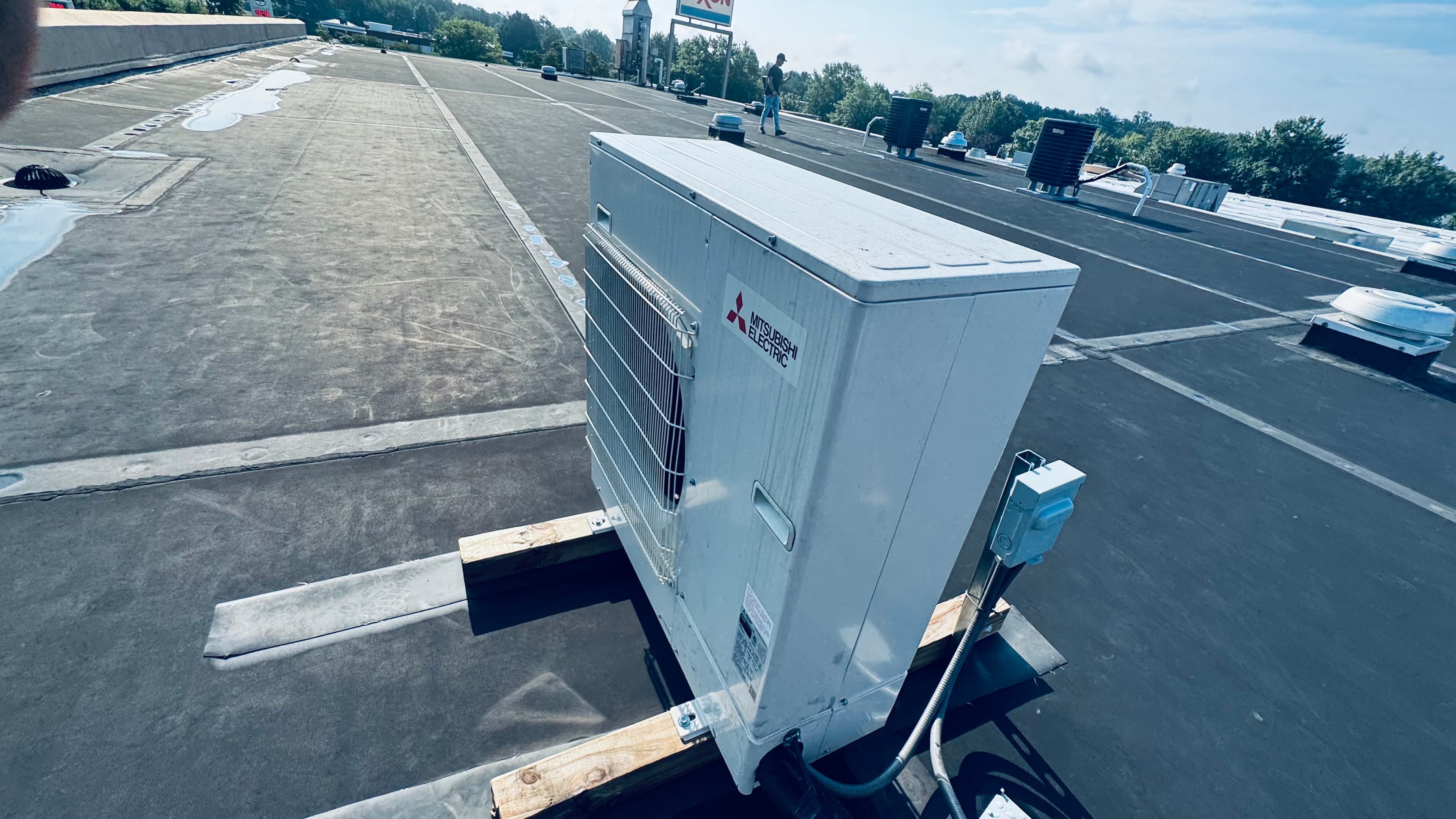
The call usually comes from a contractor, and it is always some version of the same sentence: the owner cannot afford the mechanical system. Can you take a look and find another way?
What is actually being asked is more delicate than it sounds. Somewhere on that project is another licensed engineer whose name and seal are on the drawings, who did nothing wrong, and who remains the engineer of record no matter what you find. Your job is to reduce the cost of their design without reducing their standing — and to do it in writing, where everyone can read it.
There are two ways to fail. The first is to become the hatchet man: to arrive with a cheaper equipment list and let everyone assume the original engineer gold-plated it. The second is to be so careful that you produce nothing anyone can price. Threading between those is most of the skill.
Start by saying the original design was right
In our experience it usually was. Take a building with classrooms, offices, an assembly space, a commercial kitchen, and dormitory floors. Every one of those spaces peaks at a different hour with a different mix of sensible and latent load. Variable refrigerant flow with a dedicated outdoor air system is not an indulgence for that building; it is what a competent engineer specifies. The design was not over-engineered. It was expensive because the way the owner intends to use the building is expensive.
That matters because value engineering almost always arrives on an engineer's desk with an insult stapled to it. So put the opposite in the first paragraph of the report, in plain language: this system was correctly selected, and it is the system that will work.
Remember who is reading. The engineer of record has to be able to carry your recommendation to the owner with their own name attached. Walk in claiming six figures of savings with no sacrifice and you are selling snake oil; you have just earned weeks of resistance, and you deserve them. Walk in with six figures of savings and a precise list of what is lost, and approval becomes possible — because now they are evaluating a trade instead of defending their judgment.
Requirements cost money.
The most expensive lines in a mechanical estimate are frequently written by the owner, not the engineer. A few patterns show up again and again:
- A safety standard that limits how far a window may open. Reasonable on its own terms — and it can quietly delete the natural ventilation path, which means buying prescriptive-table outside air plus the equipment needed to dry it.
- Kitchen program. The cost of a commercial kitchen ventilation system is close to directly proportional to the length of the hood: hood length sets exhaust, exhaust sets makeup air, and makeup air is the dominant load. A large kitchen with a short hood is cheaper to condition than a small kitchen with a long one.
- Occupancy expectations. Four people prepping dinner is a different building than thirty volunteers cooking a holiday meal, and the peak is what you buy.
- A stated indoor condition. "Fifty percent relative humidity at seventy-five degrees, always" is not a preference. It is a purchase order for dedicated outdoor air.
You can be as comfortable as you can afford to be. Every honest value-engineering conversation starts there.
None of that is an argument against the requirements. It is an argument for pricing them out loud, early, while they are still negotiable. Some of them turn out to be inviolable policy. Others turn out to be habit that nobody had ever seen carry a number.
The deliverable is a disclosure document, not a discount
In mechanical work, when you buy less you get less. The cost is tied to how the equipment is built: staging, turndown, deeper coils, and true dehumidification cycles are exactly what the money was paying for. So the useful product of a value-engineering study is not the number. It is the sentence that follows the number.
We can save you three hundred thousand dollars, and here is precisely what it will cost you.
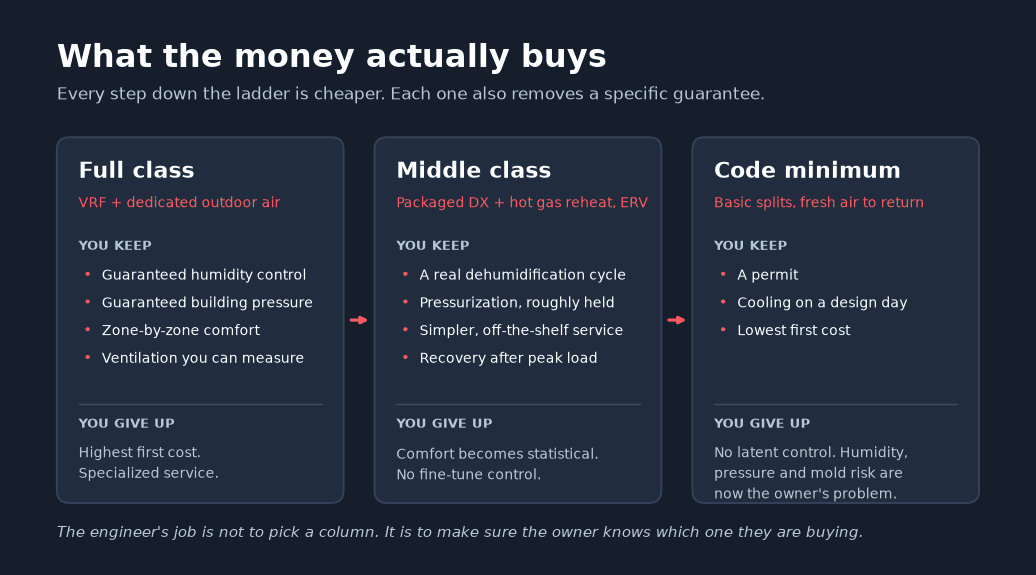
Be specific about the mechanism, not just the vibe. Removing a dedicated outdoor air system means giving up deterministic control of humidity and building pressure. What replaces it is statistical comfort: instead of being uncomfortable perhaps four hours a year, the building might be uncomfortable thirty hours a year, scattered across shoulder seasons and peak events. That is a perfectly legitimate thing to buy. It is only a problem if nobody chose it.
Disclosure also means defending the few things that must survive the cut. In a humid climate the dangerous month is not August, it is April: sixty-eight degrees outside and ninety percent relative humidity, plenty of moisture and almost no call for cooling. Packaged equipment with hot gas reheat keeps a real dehumidification cycle for that condition, which is why it is worth protecting even while the premium equipment goes away. An energy recovery ventilator — two fans and a core — will not match a dedicated outdoor air unit, but it pretreats the air being exhausted anyway and holds the building slightly positive. On the kitchen, demand control on two hood sections preserves the program instead of shortening the hood, and the honest design condition is a kitchen that runs warm during a rush and recovers quickly afterward. Recovery, not peak, is the test worth writing down.
Disclose the upside with the same rigor. Simpler equipment is genuinely easier to own: an ordinary service technician can work on it, parts are on the shelf, and one failure takes down one zone instead of the whole building. Owners deserve to hear that part too, because it is real, and because a study that only lists losses is just as unbalanced as one that only lists savings.
Say which savings are actually yours
On most troubled budgets there are two different levers, and they get conflated constantly. The building can get smaller, or the systems can get cheaper. Those savings are not interchangeable and they do not cost the same thing.
On a recent study the full-class system on the reduced program would have run roughly two and a third million dollars. The alternate came in near one and seven. Tempting headline. But only about three hundred thousand of that gap came from the system and comfort decisions; the rest came from square footage the architect had already removed. Letting the client credit the equipment swap for all of it would have felt great for exactly as long as it took someone to check the math.
Separate the two numbers and hand both over. Square footage costs program — rooms, beds, seats, mission. System choice costs comfort and control. An owner staring down a funding gap has the right to know which currency they are spending, and to spend the cheaper one first.
Do not value engineer the proof that it works
The first things on the chopping block are always controls, commissioning, and testing, because they are the only line items that do not look like equipment. This is where penny wise becomes pound foolish. Strip remote observability out of a building and every soft complaint for the next decade becomes a truck roll and an argument about whether it is a design problem or an install problem. Nobody can answer that question after the ceilings close.
It is worth being blunt about testing, too. Most "test and balance" reports that cross an engineer's desk are balancing only — airflow at the registers and little else. They say nothing about discharge temperatures off the coil, static pressure, how much outside air is actually arriving, whether staging works, whether the economizer works, or whether relief keeps the building from going negative when it does. When a design's performance depends on a dozen modest pieces cooperating, a commissioning process is the only thing that converts drawings into performance.
So the recommendation, even in a study whose whole purpose is cutting cost: keep a controls backbone even if the full building automation system goes, and keep a third-party commissioning authority whose job is to hold the owner's expectations against the drawings and then witness the tests that prove it. Not the design engineer — that is a conflict, and we say so when we are the ones being asked. As my father put it, "the point is to keep the honest guy honest."
Write it for three readers at once
- The owner needs the plain version up front: what you were going to have, what you get instead, what changes on a hot day. If that summary does not survive being read by someone in a hurry, the rest of the report cannot save it.
- The engineer of record needs enough load calculation, code basis, and assumption to check your work and disagree with it. Label the equipment schedule a design basis, not a selection. Where the layout is schematic, say schematic.
- The estimator needs tonnage, quantities, and stated assumptions — enough to put a real number on it, because a study nobody can price is a well-written opinion.
Role clarity is most of the etiquette
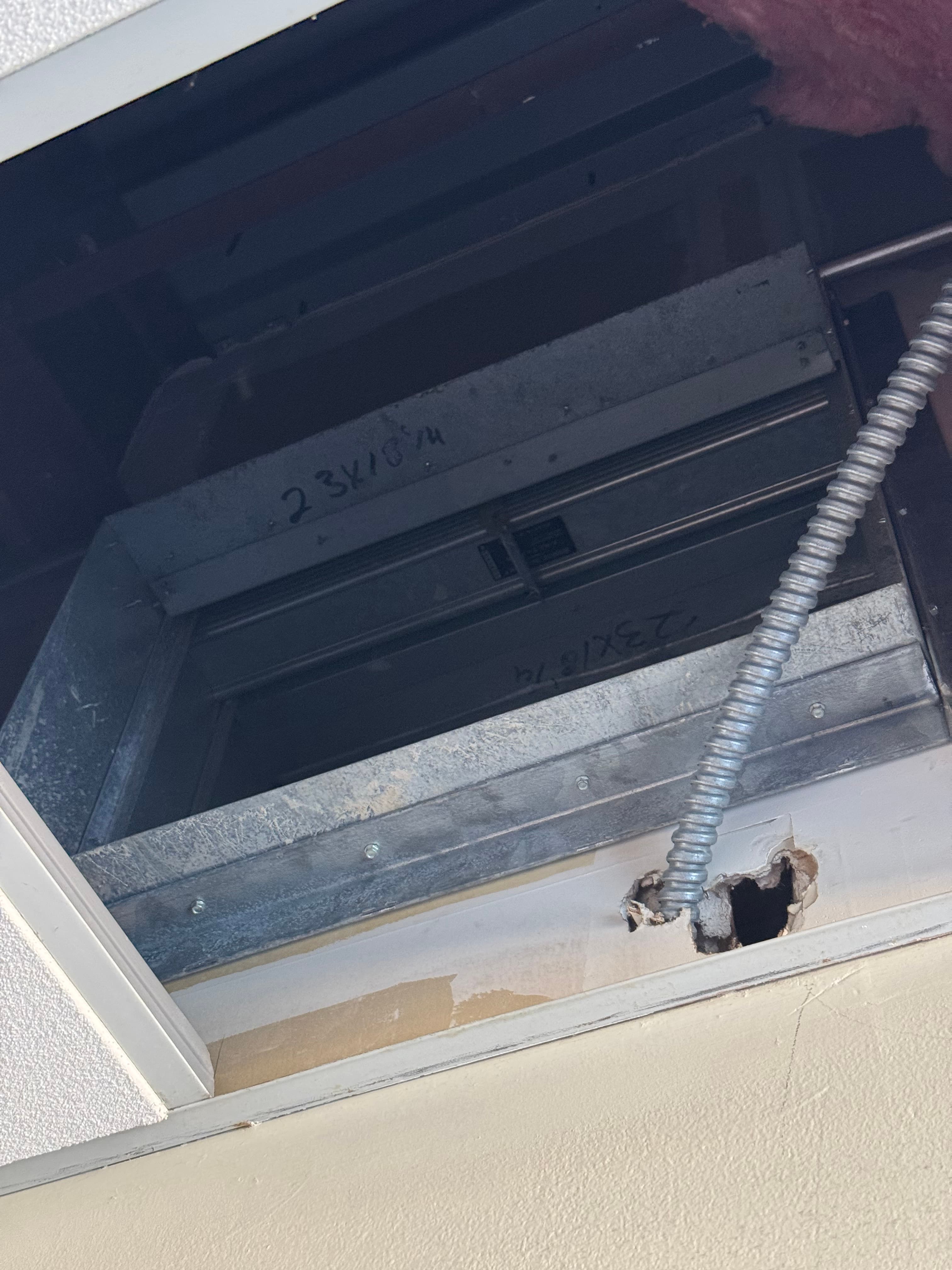
Say the words out loud, more than once: I am not the engineer of record. Then behave accordingly. Recommend, do not direct. Bring the unresolved items forward as flags rather than pretending a schematic overlay has been coordinated — fire separation, building pressurization, where relief air gets back to the bathrooms, whether the local official reads the refrigerant shaft language the way the neighboring jurisdiction does. Flagging an unsolved problem is a service. Quietly drawing over it is how a study becomes somebody else's change order.
The same restraint applies to the things you want. Ask for the soffits and bulkheads that make ductwork constructible; explain that threading supply, return, and exhaust through open web trusses is how you buy a season of requests for information. Then let the design team decide, because it is their drawing.
What a good study ends with
Not a discount. An informed yes. The owner knows they bought the middle class of equipment and what that means in August. The engineer of record can carry the recommendation with their own seal on it, because nothing in the document asks them to pretend. The contractor has numbers real enough to hold. And if the answer comes back that a warm kitchen for a few hours a year is an acceptable price for six figures, that is not a compromise of engineering. That is engineering — because someone chose it, on the record, knowing what it cost.